
In 1854 AD, the first formal school in Nepal, Durbar High School, was established and the English language was also taught. Although formal education began after the establishment of Durbar School, it was not widely available because it was opened mainly for the purpose of providing English education to the children of kings, Rana and high families. There was no opportunity for the children of the common people to study. and later opened to the public in 1902, marking the beginning of modern education in the country.
“Formal Education and English in Nepal” In this article, I have briefly discussed education in Nepal from the democratic era or the beginning of formal education and English teaching to the present, as well as the future of formal education.
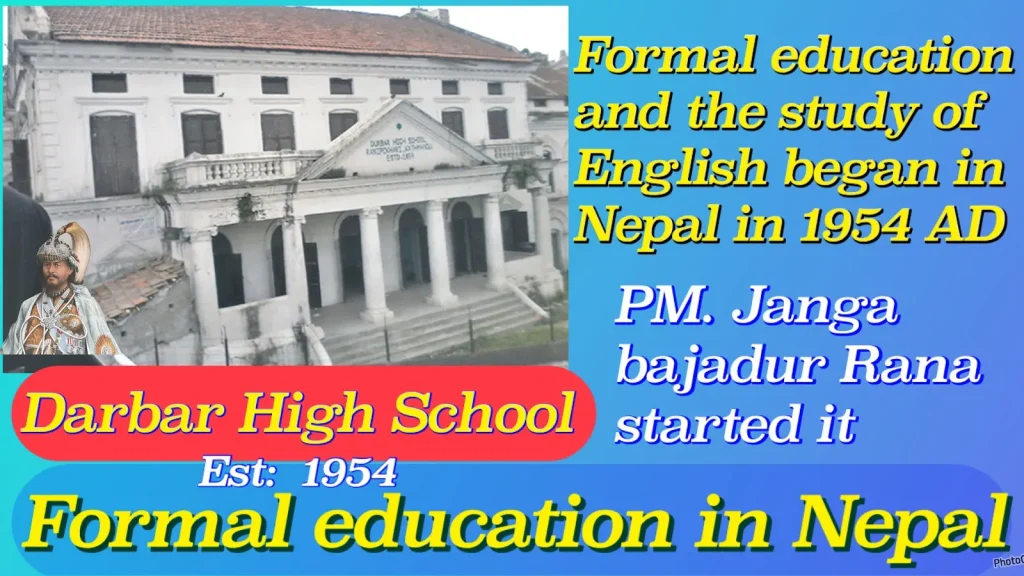
After sometimes Bhasha Pathshala and Trichandra College were established. Gradually, agricultural education was also included and schools started to be opened outside the valley. Montessori education was also started on the eve of the establishment of democracy. This also started to have an impact on Western education and culture in Nepal.
Table of Contents
The Rise of Democracy and Education in Nepal
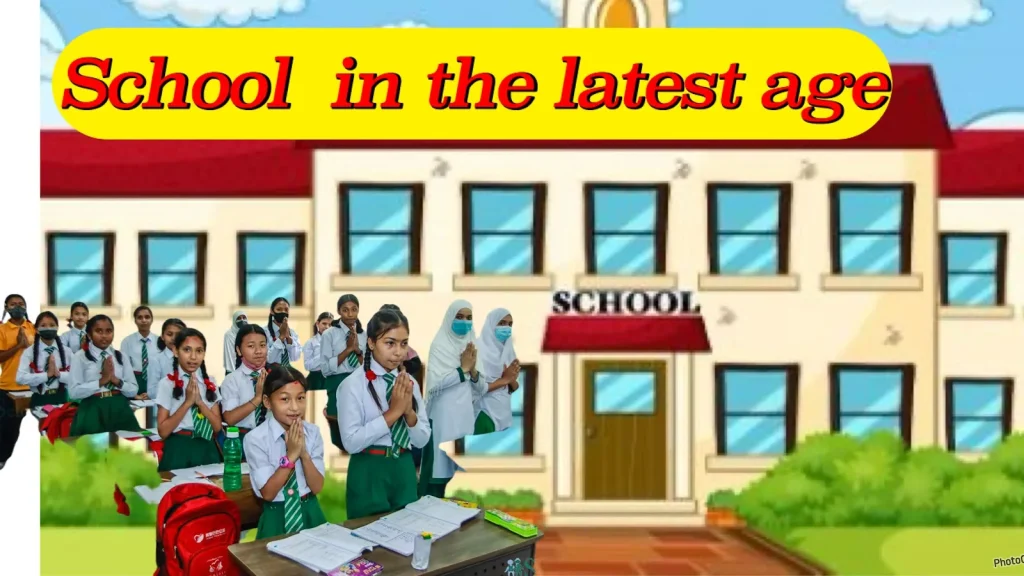
After the democratic system began, changes began to occur in Nepal’s education. with the emergence of democracy, the work of forming policies, rules, regulations, and educational structures related to In Nepal, the Rana regime was abolished in February 1951 AD. And democracy was established. Schools began to open throughout Nepal and education began to become free for all people.
Education began with the emergence of democracy. Gradually, the English language began to become the medium of instruction. Education began to be formalized. In addition to public schools, private schools began to be established. English medium of instruction and local attire began to be replaced by ties, suits, and pants.
Gradually, commercialization entered education. Although it is unfortunate to open an educational institution to make a profit, it has left its mark on society. The erosion of the country, society, tradition, and culture for the sake of profit has been neglected. Although the aim was to develop technical education in addition to general education and provide life-useful education, the reason for the hi-fi has been different in words and actions. There was no proper knowledge and skills, only certified manpower was produced. There is a perception that educational institutions, teachers, and education administrators.
Appropriate Formal education for the future
hat is the future of Nepal’s education? The basis of Nepal for tomorrow is agriculture, livestock, herbs, tourism, hydropower, and mining. There is ample investment and modernization in this. If these things can be promoted and promoted, it seems that they will become the main basis of the economy. Investment in these areas will develop industrialization and there is no doubt that the current economy, which is becoming import-oriented, will be transformed into export-oriented.
On the other hand, if industrial development and the environment cannot be integrated, there will be a situation of destruction along with development. Due to global warming, the mountains have started melting. Pollution is crossing extreme limits. Another thing is that if our local skill-based small industries, mills, and furnaces can be developed by connecting them with modern technology, skills can be transferred and unemployment can be reduced. The tradition of passing on traditional social values and norms from one generation to the next does not cause the problem of unemployment. Just modernization is enough.
Aromatic and medicinal plants arranged
In Nepal, Marijuana and opium should not be allowed to develop into addictions and should be linked to pharmaceutical production with research and development for medicinal purposes. Local crops such as millet, fenugreek, and quinoa should be promoted and promoted, and organic cuisine and medicinal herbs should be linked.
In addition, management work should not be forgotten. If attention is not paid to the search and implementation of innovations in the overall economy and market, including office management, employee management, human resource development, enterprise development, and policy and rule formulation, there is no meaning to production and industrialization. We should move forward by assimilating and updating managerial principles. We should develop the capacity to make skilled professionals and enable them to compete at the international level. We should analyze demand and supply and make them able to move forward. It should be research-oriented.

Educational and economic development
The backbone of a nation’s social, economic, and political development is education. It should be competent, autonomous, and effective, and only then will the development of human resources and technology accelerate. An environment for employment and industrial development is created. Without a result-oriented, return-oriented education system, financial investment is like water in the sand.
Vocational and technological education is the need of the day. For this, three-pronged education is needed: education administrators, teachers, and students. If education administrators and teachers are not professional, the targeted achievements cannot be achieved. The education system should be able to make children citizens who can contribute to the individual, community, nation, and international community.
Education services and education administration should be made trustworthy, respectable, and respectful. Teachers and education administrators should be skilled, trained, and innovative. This should not be skimped on. When the state is about to undergo restructuring, it should not fail to abandon old shortcomings and wrong practices and enter the phase of new practices. There is a need for courage to allocate at least 20 percent of the budget to the education sector.
To provide access to education to all, at least school-level education should be made compulsory and free. The responsibility of providing education lies with the government, not the private sector, but the interrelationship between the local community and schools in education cannot be denied. We should be generous in strengthening the resources and means of schools, and the government should play a central role in utilizing their full potential. It is necessary to link school education with rural tourism by promoting and promoting local production.
Educational and political balance
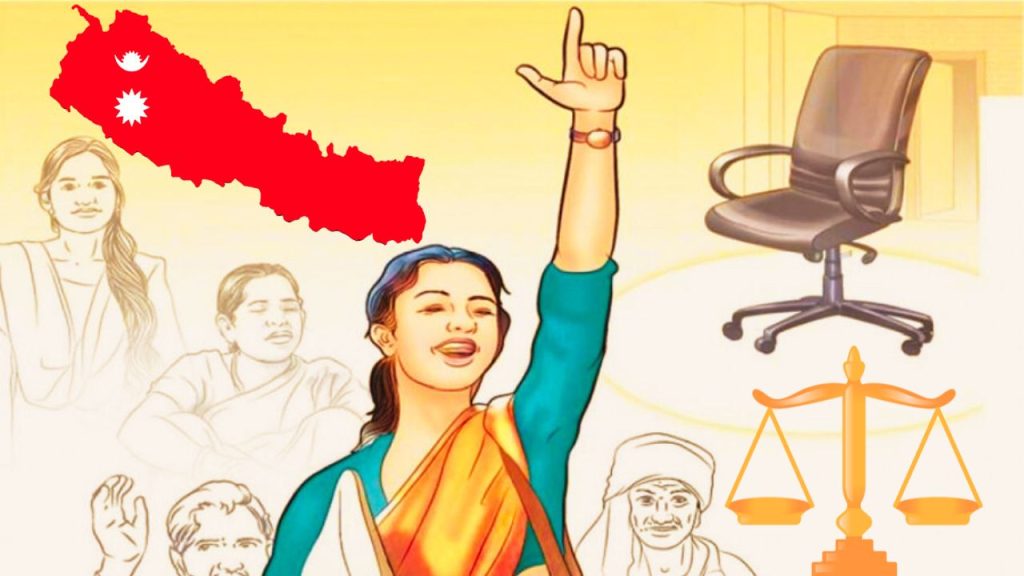
Education must develop political awareness, but politics should not taint education. Today, political interference has become the leading cause of the decline in the quality of education. The education sector is being made a place of practice for party interests. Contributions have ceased to be appreciated. Instead of making excellence, accountability, and responsibility, the practice of evaluating through one’s own political eyes has prevailed. Instead of taking responsibility, teachers and education administrators have been forced to choose the path of flattery.
There have been attempts to establish schools, colleges and universities as autonomous institutions, but now educational institutions have become the culmination of political interference. The practice of appointing, promoting, and assigning positions based on proximity rather than merit, ability, and efficiency has been established.
Nationalization of education
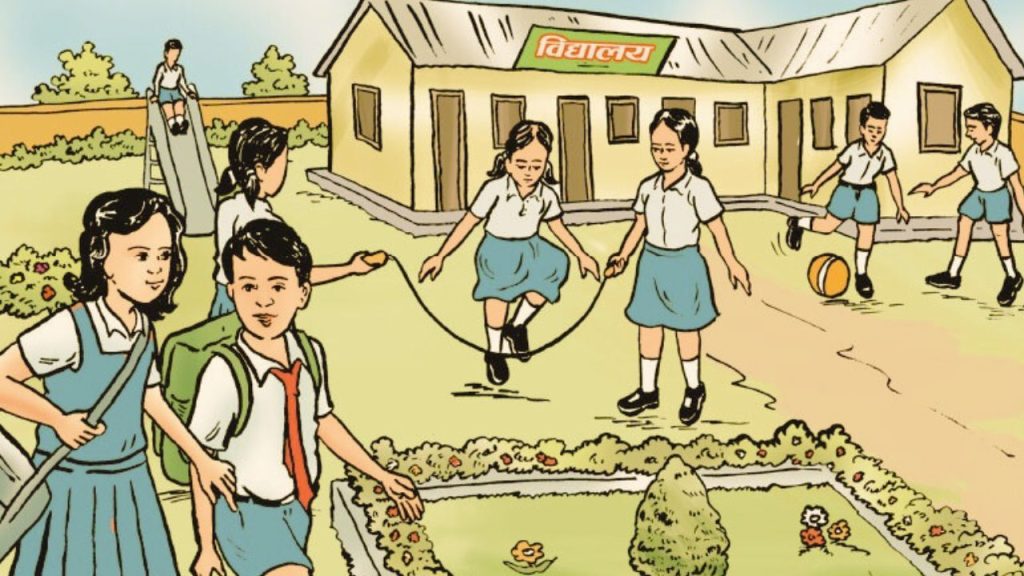
Nationalization of education is necessary for access to education, strengthening quality and accountability, because nowadays commercialization has dominated education. Government and community schools have started to introduce the culture of ties, suits, and pants by copying the teachings of private schools. Disillusioned with the Nepali language and local language, they started producing human resources that would migrate abroad, not to Nepal. The state’s socialism-oriented education policy, on the other hand, and privatization, liberalism, globalization, and collaboration with the private sector, seem contradictory. It cannot be said that the state’s education policy is in the right direction.
Educated manpower is the backbone of the country
The country cannot develop if the produced human resources do not work in the country. The backbone of the country’s development is the country’s working human resources. Education today must prepare good, responsible, and accountable citizens. Patriotic, hardworking, diligent, and eager to contribute to the nation must be prepared. Stopping intellectual exodus seems to be the main challenge today.
Next Post:Past learning is the inspiration for today