
Table of Contents
Concept of yoga

The concept and practices of Yoga originated in Bharat varsha, now known as India, Bhutan, Pakistan, Sri Lanka, etc., in the southern lap of the Great Himalayan Range, thousands of years ago. Its founders were great saints and sages. The great yogis presented a rational explanation of their experiences of Yoga and made it accessible to everyone in a practical and scientifically sound manner.
Today, Yoga is no longer limited to sadhus, saints, and sages; it has entered our daily lives and has gained global awareness and acceptance in the last few decades. The science of Yoga and its techniques have now been reoriented to suit modern sociological needs and lifestyles. Experts from various branches of medicine, including modern medical science, are realizing the role of these techniques in the prevention and reduction of diseases and the promotion of health.
Lord Shiva and Maharishi Patanjali
Yoga is one of the six systems of Vedic philosophy. Lord Shiva is considered the creator of yoga. Maharishi Patanjali, known as the Father of Yoga or founder of yoga, systematically compiled and refined various aspects of yoga in his “Yoga Sutras.” He advocated an eightfold path of yoga, known as “Ashtanga Yoga” for the all-round development of mankind. Yama, Niyama, Asana, Pranayama, Pratyahara, Dharana, Dhyana, and Samadhi.
These components advocate certain restraints and observances, physical discipline, breath regulation, control of the senses, contemplation, meditation, and Samadhi. These stages are believed to have the potential to improve physical health by increasing the circulation of oxygenated blood in the body, retraining the senses, and inducing peace and serenity of mind. The practice of yoga prevents psychological disorders and improves a person’s resistance and ability to tolerate stressful situations.
Aadi yogi Shiva ( The first yogi)
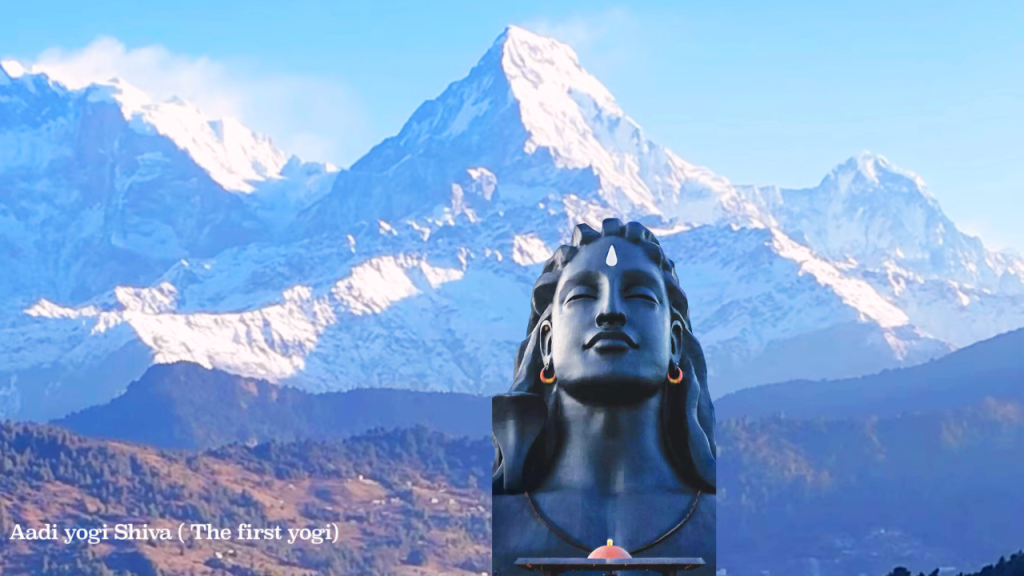
According to Vedic tradition, Lord Shiva is considered the first Yogi or Adi Yogi. It is believed that Shiva gave the knowledge of Yoga to the Saptarishis in the Himalayan region. Therefore, he is worshipped as the creator of Yoga and the spiritual master. It is believed that the sounds emitted by Shiva are mantras, and the teachings of Yoga are also these sounds.
Patanjali, the founder of Yoga
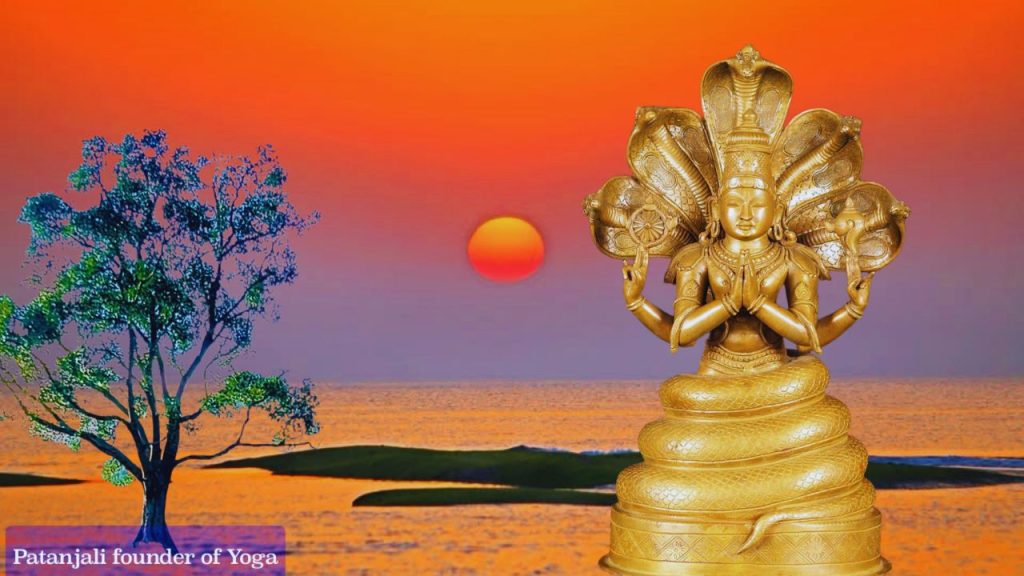
The founder of yoga is Maharishi Matanjali. Patanjali wrote down yoga systematically and systematically.
The Yoga Sutras he composed contain a detailed description of the eight limbs of yoga, rules, asanas, pranayama, pratyahara, dharna, meditation, and samadhi. That is why he is respected as the Father of Yoga.
Therefore, the contribution of both Lord Shiva, the original guru of yoga (the original yogi) and Maharishi Patanjali, the father of yoga or founder of yoga (the systematic and written down Maharishi), has made the spread of yoga possible all over the world today. Not only spiritual people, but also atheists have started adopting yoga as a health treatment method all over the world.
After the founder Patanjali formalized the rules of yoga, the importance and usefulness of yoga have spread widely all over the world today. Yoga is considered an effective method for improving health, mental peace, and overall lifestyle. Currently, research and therapeutic experiments related to yoga are being conducted in educational institutions and universities in various countries of the world.
Benefits of Yoga. Physical Health: Yoga makes the body flexible, increases immunity, and helps reduce the risk of chronic diseases. Mental Balance: Meditation and Pranayama help reduce stress, anxiety, and depression. Use in the educational sector: Yoga is practiced in schools and universities to improve the concentration and behavior of students. Therapeutic Uses: Yoga therapy is used as an adjunct treatment for high blood pressure, diabetes, heart disease, and mental health problems
Mindfulness in Yoga Practice
Yoga is not just a practice of bending and twisting the body; it is a practice done with full awareness. “Mindfulness” means being present in every moment as a witness to the breath, body, emotions, and thoughts. Only when yoga is done with mindfulness can its profound benefits be experienced. Breath is the basis of life. It is very important to adjust the rhythm of the breath in each asana.
During pranayama, one should experience the speed, depth, and touch of the breath. When the mind wanders, returning to the breath is the practice of mindfulness. When the mind is aware of the breath, the mind is calm, and in each asana, the body feels the tension, pressure, and balance.
ु Do not force the body, respect its limits. If there is pain and discomfort, pay attention immediately. This protects against injury and makes the practice safe. Yoga practice is complete when we practice mindfully by tying the body, breath, and mind into one thread. Yoga without mindfulness is just exercise, but with mindfulness, yoga becomes a life-changing practice.
International recognition
The United Nations declared June 21 as International Yoga Day in 2014. This has further proven the global acceptance and importance of yoga. Yoga courses and research programs are being conducted in universities in countries like India, America, Britain, Japan, and Australia. Overall, the results are good.
Yoga is not just an exercise but a holistic lifestyle. It helps in balancing the body, mind, and spirit. Therefore, its importance and usefulness are increasing day by day, and it is certain to spread more widely in the future. Yoga can be practiced at home, school, office, or anywhere.
Thanks to the founder of yoga
Thanks to the contributions of Lord Shiva, the creator of yoga, and Maharishi Patanjali, who gave yoga a systematic form, today people all over the world are able to benefit physically, mentally, and spiritually by practicing yoga. Thus, there is a famous library in the yoga world too! .
Every year, June 21 is celebrated as International Yoga Day, which reflects the global importance of yoga. Today, millions of people around the world are benefiting from practicing yoga. Physical health improves, mental stress reduces, attention span increases, and lifestyle balances. Yoga is becoming very popular as a cheap, easy, and side-effect-free treatment method.
Conclusion
Yoga, which has been considered famous in ancient Nepal and India, has started to be used in many ways and health treatments in the world in the present era!
Yoga is our ancient and invaluable heritage; it keeps the body, mind, and soul in balance. Therefore, everyone should practice yoga regularly and methodically and move towards a healthy, peaceful, and ideal life.
I want to say to everyone that regular practice will make rural people civilized and healthy. Now the World Health Organization has also prioritized yoga. Let’s all become aware of its benefits.
Next Post: Who is the father of yoga, Lord Shiva or Patanjali ?