
Table of Contents
Yoga and Health
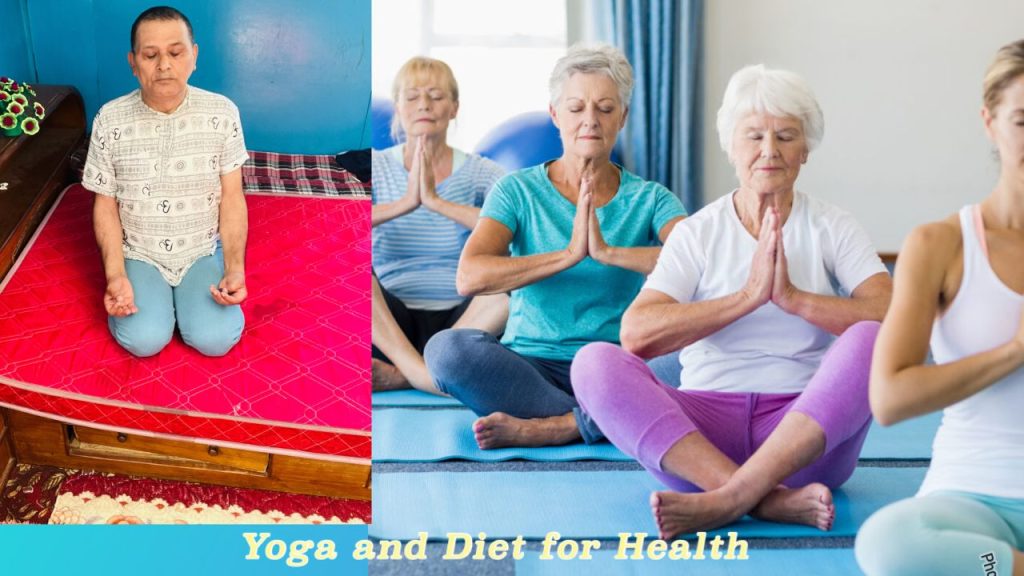
Yoga is the basis of a healthy and peaceful life. Yoga has been practiced since ancient times as a means of balancing mental and physical exercise and maintaining a healthy life. It is not appropriate for people of all ages to practice yoga in the same way and at the same pace, so I am writing about this because I want to expand yoga and explain it to everyone. In the meantime, today I am writing a little about yoga practices that are suitable for senior citizens of 70+
Special yoga for the elderly
I am especially describing yoga for senior citizens of 70+ who are respected members of the family and society. Among the many types of yoga, there are currently 3 types of yoga that are suitable for the elderly: chair yoga, डडgentle yoga, and therapeutic yoga. The best practices for senior citizens who are new to yoga, in which it is important to listen to your body and practice regularly. But it should be practiced methodically and daily.
Yoga is a popular low-impact option for people of all ages, but it is especially beneficial for seniors who want to prioritize mobility, balance, and mental and physical health. Can a 70-year-old do yoga?
Benefits of Yoga for Healthy Aging Seniors
Why is yoga good for seniors? This exercise lowers blood pressure, cholesterol levels, and heart rate. As a result, डseniors who practice yoga may be less likely to experience serious heart conditions like a heart attack or stroke. Improves Mental Health. Yoga can also improve your mood and mental health.
Yoga and Diet for Health.
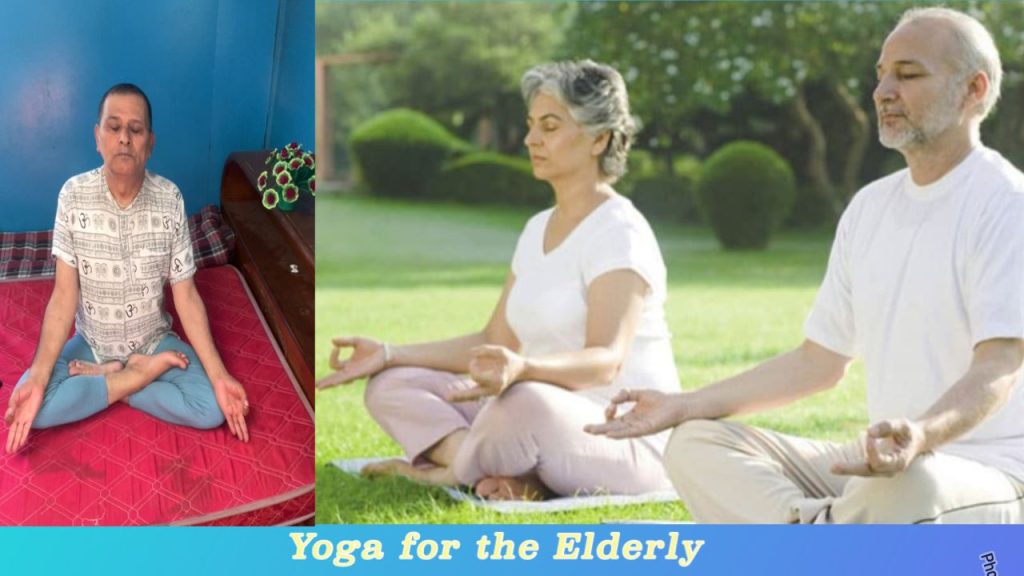
A proper, nutritious diet along with yoga is essential for the health of the elderly. Sattvic Food and Yoga: Importance of Sattvic Food …
Yoga and food balance is a holistic approach where nutritious, mindful eating energizes and facilitates your yoga practice. Yoga increases awareness of healthy food choices, promotes a sattvic diet and fresh, whole food mindful eating, and strengthens digestive health. Creating a cycle of physical and mental well-being.
Key elements include eating fresh fruits, vegetables, whole grains, and legumes; avoiding processed foods; timing meals around practice; staying hydrated; and using herbs like Triphala, ginger, cardamom, and turmeric for digestion, all of which facilitate energy, clarity, and balance. Therefore, it is best to use diet and exercise or yoga and meditation in the elderly in a balanced manner.
Gentle Yoga Practice for elderly
Slow Flow Yoga for elderly’s to Deeply Stretch and Relax
Gentle yoga is a slow, mindful practice that focuses on deep breathing, simple movements, and relaxation to calm the nervous system, release tension, and improve flexibility, making it ideal for beginners, those with stiffness, and anyone in need of stress relief. It emphasizes relaxation over depth of practice, using asanas such as cat-cow, child’s pose, and vajrasana savasana, often incorporating restorative exercises and holding stretches for long periods of time for deep relaxation, promoting overall well-being in this gentle yoga practice.
Chair Yoga for Older Adult
Many people ask, does chair yoga really work for seniors?
Yes, chair yoga for seniors does work and offers many physical and mental benefits, even for those with limited mobility. Because it adapts traditional yoga poses to a seated or supported position, it allows seniors to safely improve strength, flexibility, balance, and overall well-being. Chair yoga is especially good for the disabled or elderly. A chair can be used to gently stretch the arms, legs, and back.
Other useful yoga meditations for the elderly.
As we grow older, our bodies undergo many changes. Due to which the bones start weakening. This causes pain in the knees, shoulders, back, joints, and muscles. Regular yoga helps to get rid of this problem.
Tadasana – Tadasana yoga helps to balance your body. Also, it improves your health. It strengthens your thighs, legs, and hands. With the onset of old age, the five chakras also weaken. This yoga asana helps to balance the digestive system. Jag, laziness in old age, so many elderly people have problems with stress and depression. It is also effective in preventing rhythm problems.
Baddha Konasana – During Baddha Konasana, the thighs and knees become strong. Not only that, but also develop the ability of the five chakras of the body. This yoga asana is helpful for the elderly to reduce stress and fatigue. Baddha Konasana plays a role in relieving pre-existing back pain.
Shavasana – Shavasana yoga gives relaxation to the body. You will be stress-free. Shavasana yoga, then you will have high energy control.
Key principles for the health of the elderly
Saattvik and diet – Focus on fresh and natural fruits and vegetables that are easily digestible, which promote mental calm, energy, and clarity, such as fruits, vegetables, whole grains, nuts, and seeds, and reduce highly processed foods.
Eat mindfully and pay attention to your body’s signals to improve digestion and avoid overeating. Chew well, savor the taste of food.
Drink plenty of water and fluids throughout the day, especially after waking up and before exercising, but do not drink large amounts immediately after meals, as this can be harmful rather than beneficial.
Proper digestion: It is good to use herbs such as ginger, turmeric and fennel to aid digestion and reduce inflammation.
How yoga end mhelps us digest our food
Yoga increases awareness, helping us to listen to our body and identify which foods are truly nourishing for us.
Regulates appetite, especially in the morning. Certain asanas stimulate digestion and can reduce anxiety-related overeating.
Promotes peace: Practices like meditation and breathing (pranayama) reduce restlessness (rajas) and bring balance, influencing food choices.
How does diet support your yoga
Energy and stamina: Complex carbohydrates from whole foods provide sustained energy for practice.
Muscle recovery: Protein-rich foods help repair muscles after physical exertion.
Mental focus: A clean diet supports the mental clarity needed for deep meditation.
Practical tips
It is good to eat a light meal containing complex carbohydrates and protein 2-3 hours before yoga, such as quinoa salad, a banana
It is also good to have a meal rich in protein and carbohydrates after yoga practice, such as smoothies, light cheese dishes, khichdi, etc.
Meal schedule: Make lunch your biggest meal and keep dinner light. It is best not to drink water after dinner.
Conclusion.
There is a scientific secret hidden in yoga and meditation. Yoga and meditation have been practiced since ancient times. In the present era, it has spread miraculously all over the world. It is beneficial for people of all ages. But old people need to practice it with special attention. It is especially good to enjoy simple and humble yoga practices daily in old age.