
Culture
Table of Contents
Relationship Life Education and Culture
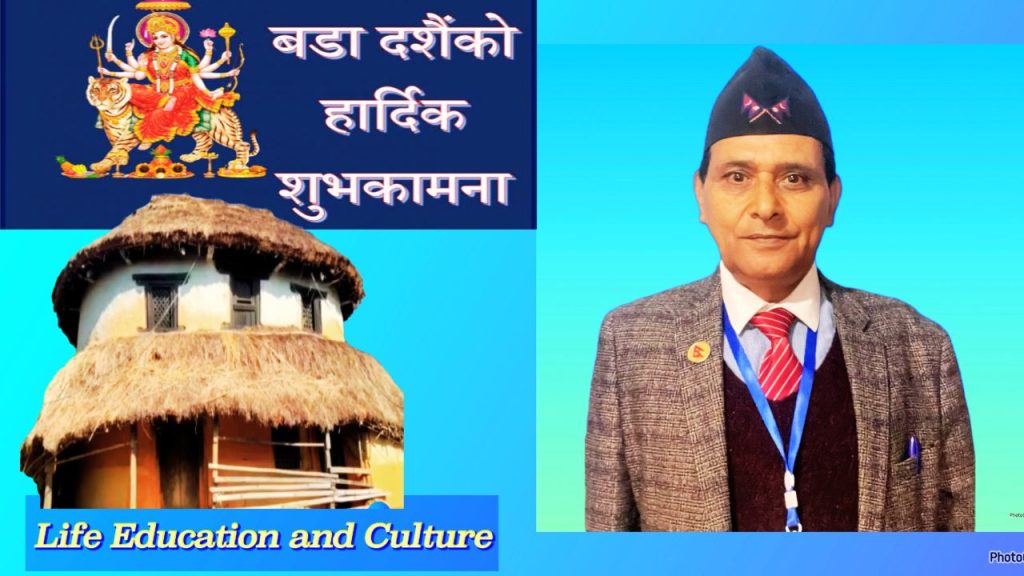
Life Education without Kindness, Love, Compassion, and Self-Discipline is Not Real Education. Education is not just a means of acquiring literacy or professional skills; education is the overall process of making a human being human. As much as knowledge, skills, and technology are necessary, kindness, love, compassion, and self-discipline are equally and perhaps even more necessary.
Education without these human values, even though it may appear bright on the outside, is hollow on the inside. Therefore, the statement that education without kindness, love, compassion, and self-discipline is not real education is meaningful and relevant.
First and foremost in human life, kindness and compassion are the moral foundation of the education system. Kindness is the feeling of understanding the suffering of others and wanting to alleviate it; compassion is the power to put that feeling into practice. If an educated person is insensitive to the suffering of others, his knowledge cannot be useful to society.
Science and discipline
In history, we have seen that highly educated people have sometimes misused science and technology to commit acts against humanity. This proves that knowledge itself is not enough; values are needed to guide knowledge. Now the question arises: how to use education and knowledge in the right way?
In the second stage, we can say that love and a sense of coexistence are the basis of social harmony. Schools and universities are not just factories for passing exams; they are places where people from diverse backgrounds meet, learn, and collaborate.
Cultural tolerance
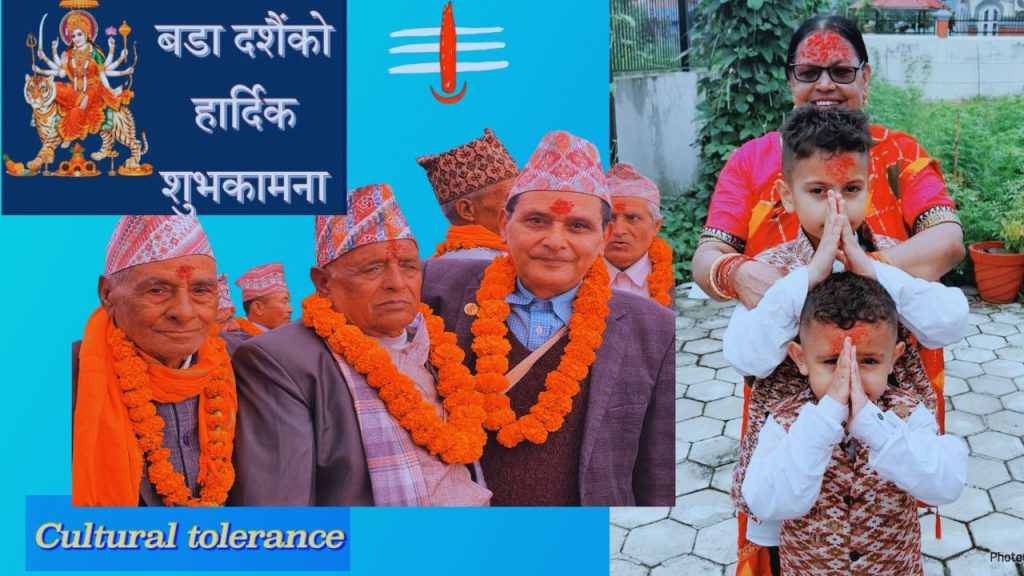
The culture of mutual respect, tolerance, and cooperation that develops here will determine the shape of the society of the future. If education only teaches competition but not cooperation, then society will become divided and tense. Therefore, education should orient the individual from ‘me’ to ‘we’. In this way, we can consider ourselves to have acquired real education.
In the third stage, it can be said that self-discipline is the backbone of personal development. Self-discipline is not external control, but internal control – the ability to balance one’s desires, impulses, and behavior. An educated person should develop the ability to use time wisely, integrity, responsibility, and moral decision-making.
Self-discipline and culture
Without self-discipline, knowledge cannot be sustainable; continuity in the process of setting goals and achieving them is not possible. Therefore, real education is that which makes a person self-controlled, responsible, and prudent. It prepares the basis for living a happy, peaceful, and ideal life.
Moreover, the life of the human race – education and culture – are complementary to each other. Culture builds a person’s character; education strengthens that character with knowledge and skills. If education is without culture, character becomes weak; if culture is without education, a person’s potential remains limited.
Therefore, a balance between the two is essential for overall development. In the modern world, the impact of technology, artificial intelligence, and globalization is intense; in such a situation, the importance of human values has increased even more. The heart and conscience that guide that hand are more important than the hand that uses technology.
Real education
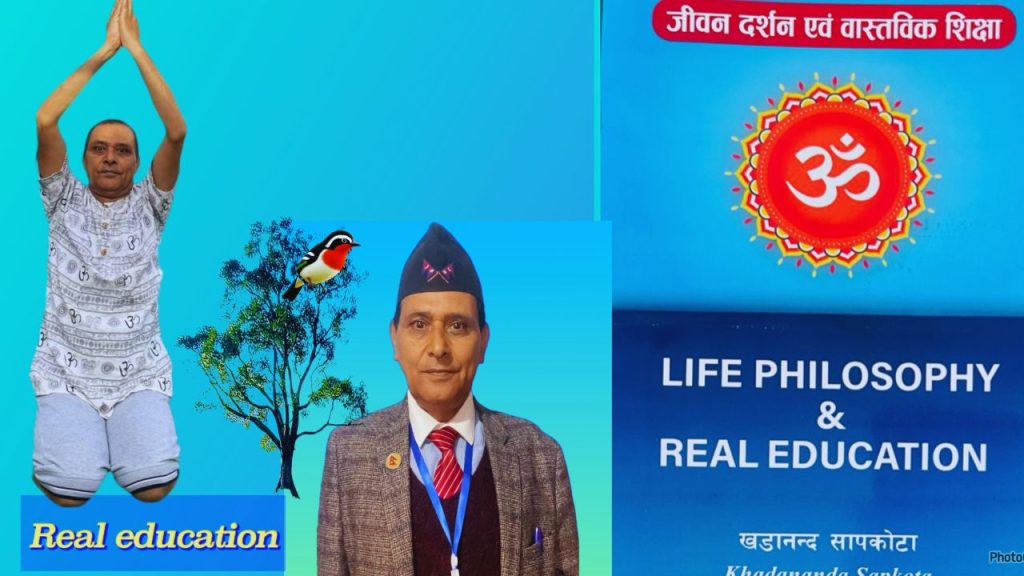
Ultimately, real education is that which gives a positive direction to the individual, society, and the nation. Kindness, love, compassion, and self-discipline make education meaningful. Knowledge gives light only when these values are at the center of education; otherwise, knowledge can also become a tool of darkness. Therefore, it can be said that education without kindness, love, compassion, and self-discipline is not real education; education is complete only when it lights the lamp of humanity.
Indicators of real education
Culture, customs, and discipline are indicators of civilization. Culture, customs, and discipline are invaluable assets of any society. These elements clearly show the level, identity, and state of civilization of a society. Culture is the overall form of lifestyle, language, art, tradition, religion, and behavior of a nation or community. It preserves the history and originality of the society. A society that preserves and respects its culture is always proud and advanced.
Customs build the character of a person. A person with good customs is humble, honest, cooperative, and responsible. Family and school are the first places to learn customs. Where good customs are developed, peace, harmony, and mutual respect are maintained. Therefore, customs are considered the basis of a civilized society.
Self-control and discipline
Self-control Discipline means following rules and laws and maintaining self-control. Without discipline, no society can be organized. If discipline is practiced from a young age, the future will be bright. Discipline makes an individual successful and the society prosperous.
Thus, culture, tradition, and discipline together build a civilized society. Where these three elements are protected and followed, civilization flourishes, and the nation moves forward on the path of progress. Therefore, we all must fulfill our duty to preserve our culture, adopt good traditions, and observe discipline.
Many practices within Nepali culture and tradition have a deep scientific basis. Now, many countries around the world have started studying and adopting these practices. Here are some key examples:
Yoga and Meditation Nepal is the land of sages and sages. Yoga and meditation: Reduce mental stress Balances blood pressure, increase concentration Strengthens the immune system. Today, yoga studios are operating all over the world, including America and Europe, and scientific research has also proven its benefits
Ayurvedic treatment method. The Himalayan region is a storehouse of herbs. In traditional Ayurvedic treatment:
Natural medicines are used, side effects are reduced, and attention is paid to the overall balance of the body
Today, in many countries of the world, there is an increasing interest in herbal medicine and natural treatments. When saying “Namaste”, people greet each other with folded hands. The scientific aspect of this is that there is no physical contact (reduced risk of infection When saying “Namaste”, people greet each other with folded hands. The scientific aspect of this is:
No physical contact, reduced risk of infection
Various points on the fingers are activated (acupressure principle, politeness and positive energy are exchanged
After COVID-19, the “Namaste” style became popular all over the world.
Various points on the fingers are activated (acupressure principle)
• Politeness and positive energy are exchanged
After COVID-19, the “Namaste” style became popular all over the world.
Nepali festivals
Dashain meat and nutritious food to strengthen the body, Tihar lighting of lamps lighting and cleanliness. Maghe Sankranti foods are useful in cold weather, like sesame seeds, chaku, etc. All these seem to be designed to provide the body with the necessary nutrition according to the season. The Guthi system: Increases social cohesion,n Proper management of resources, and has a positive effect on mental health
Today, “community living and cooperative models” are also becoming popular in Western countries.
Conclusion
Nepali culture and traditions are not just traditions; they are based on a balance of nature, health, society, and spirituality. Modern science is gradually accepting its importance. If you want, I can also prepare essays, speeches, or research articles on this topic.
Next Post: https://knsapkota.com/lifelong-learning/Lifelong Learning