
Table of Contents
Introduction to Padmasana
Padmasana is one of the backbones of ancient yoga science, which is mentioned prominently in our mythological texts like Hatha Yoga Pradipika and Gheranda Samhita. This asana is not only a physical exercise but also a means of awakening spiritual consciousness. In Hindu, Buddhist, and Jain statues and paintings, Lord Shiva, Buddha, and Tirthankaras are often seen meditating in this Padmasana posture.
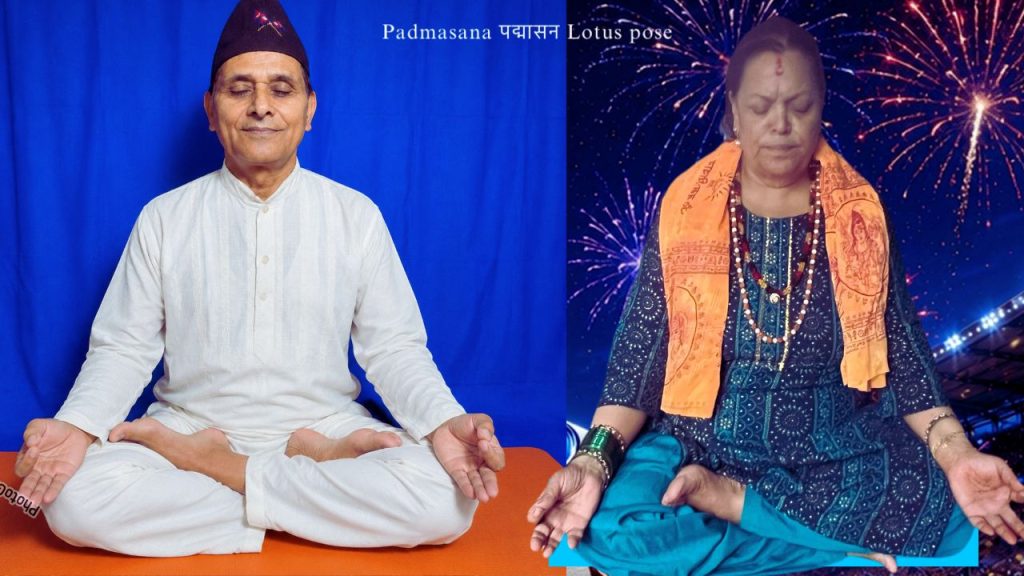
This proves that there is no alternative to Padmasana to keep the mind completely calm and still. From the point of view of physical structure, Padmasana binds the lower part of our body, namely the feet, knees, and waist, in a special bond. When this bond is formed, the body’s energy (prana) does not flow from the lower part of the body to the lower part of the body, but flows through the upper part of the spine to the brain. Sitting in Padmasana automatically straightens and strengthens the spine.
This asana helps in activating various energy centers in our body, especially the Muladhara, Swadhishthana and Manipura chakras. It is not just an asana; it is a combination of physical stability and mental peace. To get rid of the stress, hassle, and instability of the modern lifestyle, daily practice of Padmasana proves to be very fruitful. This asana can be practiced by people of all age groups (with caution in the beginning). Step-by-step method: To get the full benefits of Padmasana, it is necessary to do it correctly.
How to do Padmasana
Be aware of the risk of knee or back injuries if you practice it incorrectly. The steps to do this asana are as follows: Initial step: First of all, place a clean and soft yoga mat on the floor. Sit with both legs extended straight in front of you. Place your hands around your waist and keep your spine completely straight. This is called ‘Dandasana’. Right leg position:
Now bend your right knee widely and, with the support of both hands, place the sole of your right foot on top of the tiger, close to the waist (in the tiger’s cup). Left leg position: Then, do not bend your left knee and place the sole of your left foot crosswise over the right tiger. In this asana, the knees of both legs should be close to each other towards the lower abdomen and the knees should touch the ground. Do not let the waist cover. Now place both your hands on the knees.
The hands can be placed in the ‘Jnana Mudra’ (old man’s eye and thief’s eye position) or in the ‘Dhyana Mudra’. Breathing and Time Duration: Close the eyes wide. Leave the entire body open but keep the spine straight. Now start the process of taking long and deep breaths and exhalations (pranayama). Initially, practice sitting in this asana for 1 to 2 minutes and increase the time to 30 minutes or more. While opening the seat, first extend your left leg and then your right leg.
Physical and Mental Benefits
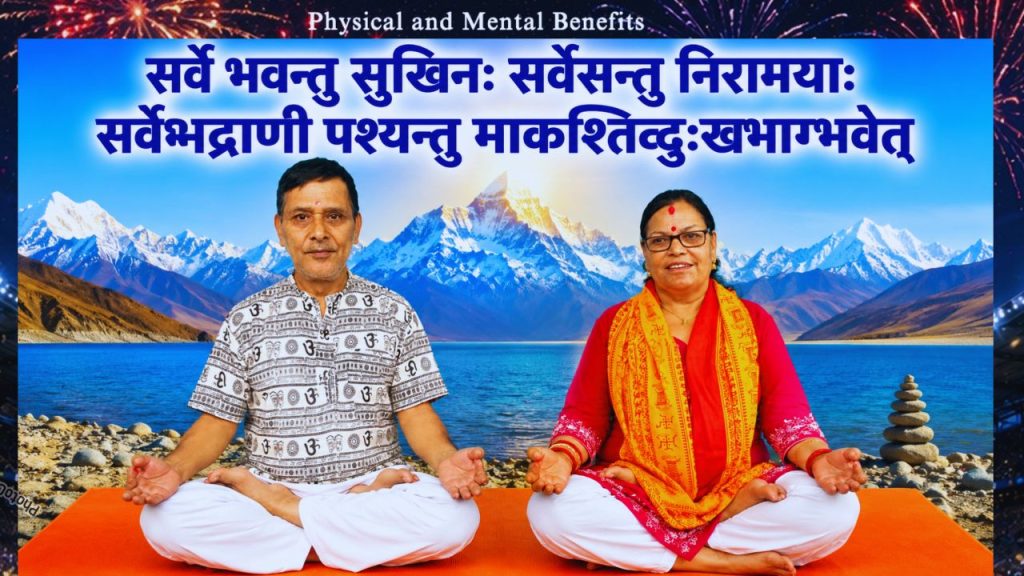
Physical and Mental Benefits of Padmasana: Practicing Padmasana regularly brings countless benefits to the human body and mind. Its major benefits can be summarized in the following points: Mental peace and concentration: Padmasana calms the nervous system of the brain. Daily practice controls mental stress, anxiety, depression, and anger. For students and intellectuals, it is a surefire way to increase concentration and memory. Improvement in spine and posture: Sitting in this asana automatically straightens the spine, eliminating the problem of slouching.
It strengthens the bones and muscles of the spine, making the posture attractive and strong. Improvement in the digestive system: Sitting in Padmasana reduces blood circulation in the lower part of the body and increases blood flow in the stomach and waist area. This ignites the digestive fire, which helps in proper digestion of food, and problems like gastric problems, constipation, and indigestion are automatically solved. Flexibility and strength:
This asana makes the muscles of the legs, knees, ankles and thighs very strong and flexible. Since the waist and buttocks are open (Hip Opener), the body becomes agile. Energy accumulation and spiritual development: Padmasana prevents the body’s prana energy from being depleted and makes it move upwards (upwards). This deepens the meditation of the seeker and helps greatly in awakening the Kundalini power. For women, this asana also helps in reducing pain and discomfort during menstruation.
Padmasana as a preventive posture
Major diseases that can be controlled by Padmasana (Diseases Controlled by Padmasana): Padmasana is not only a physical exercise but also a natural medicine that cures and controls many types of old and modern lifestyle-related diseases. The following diseases can be effectively controlled by regular practice of this asana: Insomnia and mental stress: Insomnia has become a big problem in today’s busy life.
Padmasana produces alpha waves in the brain and relaxes the nervous system, which leads to deep and peaceful sleep at night. High Blood Pressure: While sitting in this asana, the breathing rate slows down and becomes deep. This balances the heartbeat and reduces the pressure on the blood vessels, thus controlling high blood pressure naturally. Diabetes and Obesity: The Padmasana posture activates the internal organs of the abdomen such as the pancreas.
When the pancreas is active, the insulin hormone is produced in the right amount, which controls the glucose level in the blood. Also, it helps in melting belly fat and reducing obesity. Gastric and Constipation: It improves the functioning of the intestines by increasing blood circulation in the abdomen area. This asana helps in controlling stomach diseases like chronic gastritis, acid reflux, and constipation from the root.
Back Pain & Sciatica: Since the spine remains straight and the nerves of the lower back are stretched, it gives great relief in sciatica pain and lower back pain (although care should be taken as it is a sharp pain).
Conclusion
In conclusion, Padmasana is a unique and invaluable gift of yoga science. It works to bind the human body, mind, and soul in one formula. Although it looks very simple on the outside, the results obtained with its regular and correct practice are very profound and surprising. This asana has the ability to control many physical and mental diseases without the use of modern medicines. However, it should always be kept in mind that yoga should not be forced.
Those who have a serious knee injury, have recently undergone surgery, or have severe joint pain should not do Padmasana. If it is difficult to raise both legs at first, you can practice ‘Ardha-Padmasana’ by raising only one leg and gradually move to full Padmasana. If we allocate even just 10-15 minutes of our daily life for Padmasana and Pranayama, we can live a healthy, stress-free, and energetic life. Therefore, making this sacred asana a part of our daily life is the real key to a healthy life.
If you are going to start practicing this asana, please let me know what your current physical health condition is, or whether you have any chronic knee/back problems. Based on that, I will be able to give you more specific advice or modifications to do this asana safely. AI can make mistakes, so double-check responses. Physical and Mental Benefits of Padmasana: Practicing Padmasana regularly brings countless benefits to the human body and mind. Its major benefits can be summarized in the following points:
Mental peace and concentration: Padmasana calms the nervous system of the brain. Daily practice controls mental stress, anxiety, depression, and anger. For students and intellectuals, it is a surefire way to increase concentration and memory. Improvement in spine and posture:
Sitting in this asana automatically straightens the spine, eliminating the problem of slouching. It strengthens the bones and muscles of the spine, making the posture attractive and strong. Improvement in the digestive system: Sitting in Padmasana reduces blood circulation in the lower part of the body and increases blood flow in the stomach and waist area. This ignites the digestive fire, which helps with proper digestion of food and helps with problems like gastric issues, constipation, and indigestion.
Next Post: https://knsapkota.com/yoga-for-healthy-heart/