
Meaning and definition of meditation
Meditation is the act of focusing the conscious mind on an object. Meditation for mental health is so important.The word meditation comes from the Sanskrit language. It means to be careful and to contemplate. It is an important practice of self-awareness, and inner peace is achieved. Meditation is a type of mental practice. It makes a person alert, conscious, and mature by making him mentally, emotionally, and spiritually healthy. Meditation is essential for mental health.
Table of Contents
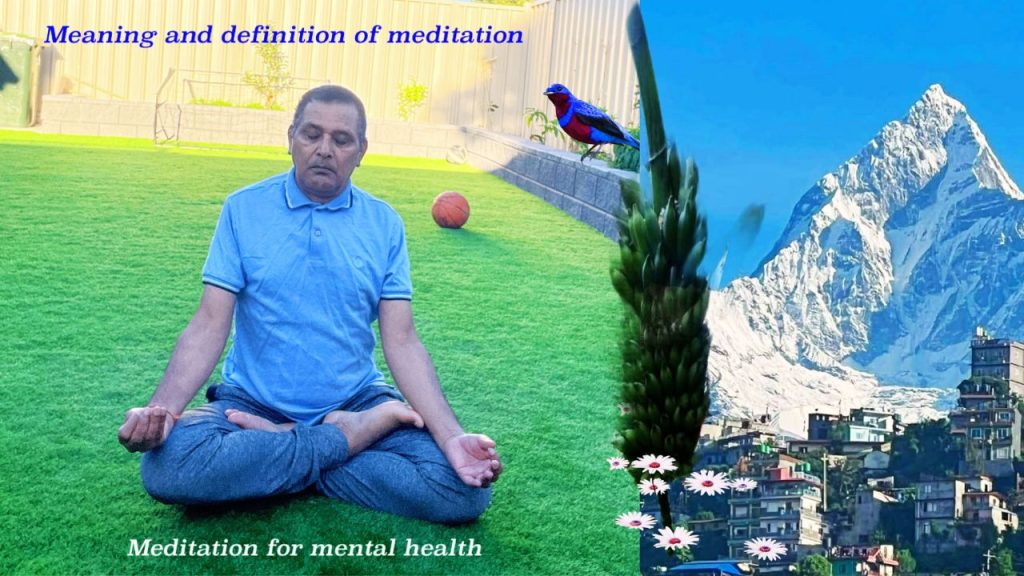
According to ancient yogic meditation philosophy, meditation is a method of developing a beneficial mental state. In it, we repeatedly practice bringing the mind to a certain state so that that state becomes our nature. At the physical level, the practice of meditation has been found to develop new neural pathways. In ancient times, meditation was used to achieve perfection. In the present era, its importance is increasing.
Benefits of Meditation
Through meditation, we can develop various states of well-being in our minds. The benefits of meditation are many; I would like to mention a few here. Such as:
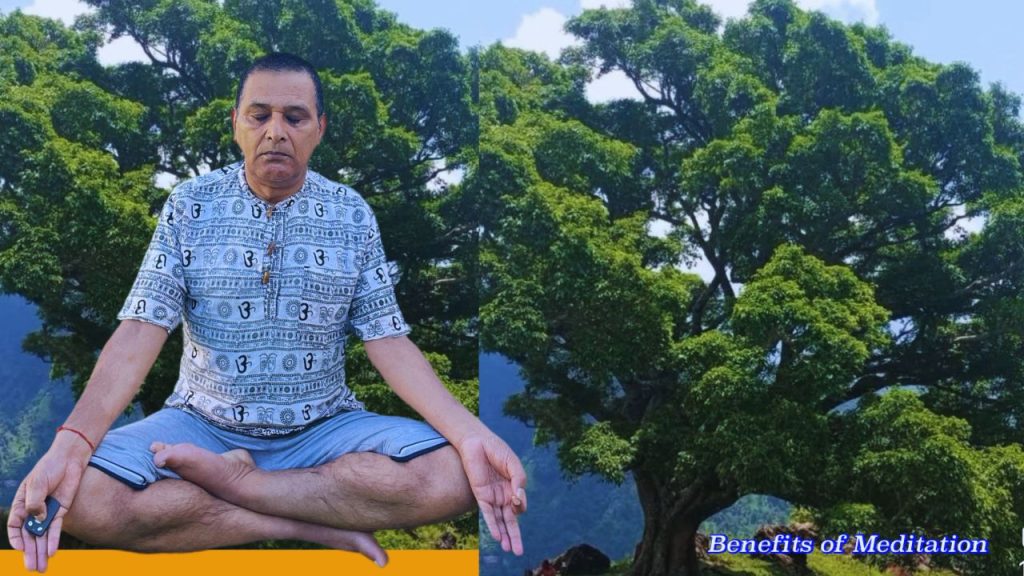
1. Relief from stress and fatigue
2. Development of the ability to concentrate and reduction of restlessness
3. Peace of mind, freedom from constant worries
4. Better understanding of ourselves, our life, and others
5. Increase in positive emotions such as love and compassion
Most of us want our minds to be calm, clear, and happier. If we are stressed or our mood is negative, we feel sad. This has an adverse effect on our health. It can destroy our careers, family life, and friendships.
Even when we have sufficient material development and facilities, we are troubled by the stresses of our lives and the tendency to get angry over small things, and we are looking for ways to get rid of them, such as meditation. However, meditation helps us get rid of emotional deficiencies. It does not have any negative effects. The best way to achieve mental peace is meditation.
But we need a practical approach to practicing meditation. It is a tool that brings positive results, but it does not solve all problems like a magic wand. No single thing brings results; for that, various reasons and conditions must be in place. For example, meditation practice helps to keep our high blood pressure in check, but it can be effective only if we improve our diet, do physical exercise, and also take medicine.
Types of meditation in Buddhism
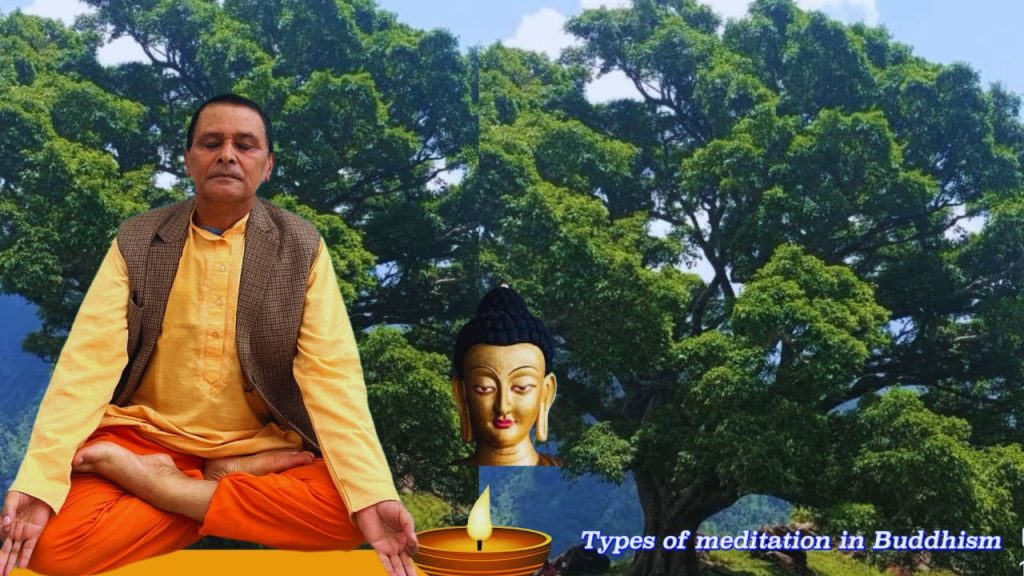
There are many ways to meditate in the Vedic and Buddhist systems. They all help us to calm down. But that is not the ultimate goal of meditation, although for the development of a well-being mindset, we first need to manage our stress. So we start our practice with meditation that calms our minds. We often practice focusing on the breath. Then we gradually practice other Buddhist methods of meditation. The methods of meditation are basically of two types –
1 . Stabilization of mind 2. Analytical
In the meditation technique of stabilizing the mind, we practice mindfulness, awareness, and concentration, trying to maintain the positive moods we bring to our mind for as long as possible. Or we try to maintain unwavering concentration on the image we have awakened in our mind.
Meditation for mental health an physical fitness
Critical meditation is often called “analytical” meditation. In it, we use reason or wisdom to gradually prepare ourselves to develop positive states of mind, such as love. Using reason or wisdom, we analyze a situation and realize its transience. Or we try to clearly analyze it by bringing to mind an image of the Buddha or some other image with similar positive qualities.
We practice these two types of meditation techniques in turn. First, we develop the positive mood we want and try to review and stabilize it. If our concentration begins to weaken or our attention begins to wander, we work to strengthen our mood again and analyze it.
Meditation in Daily Life
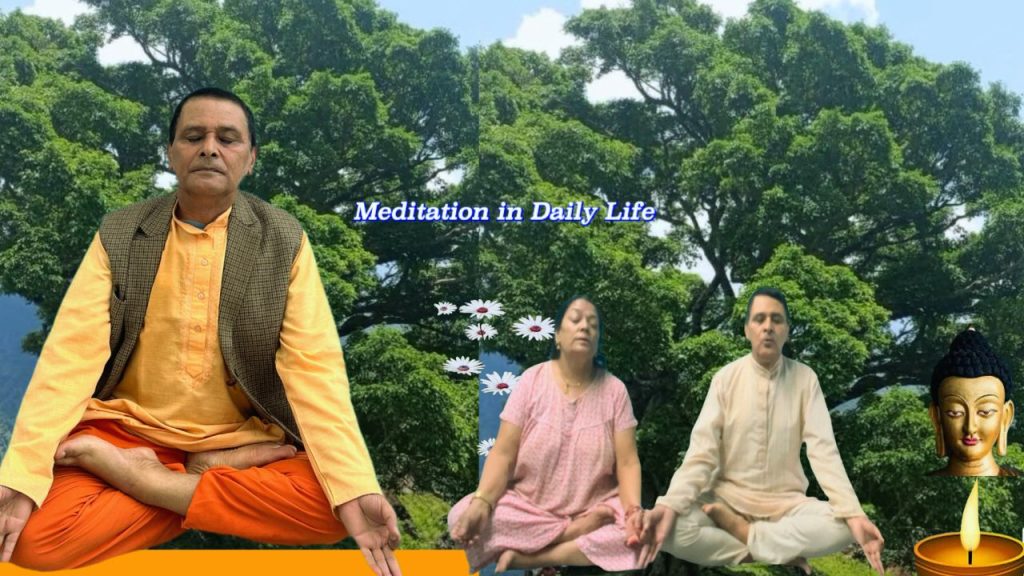
The purpose of meditation
is not just to experience concentration and peace while sitting comfortably at home. It should bring about a change in our daily lives. If we practice meditation regularly, positive attitudes become our habits, which we can use whenever we need. Eventually, this habit becomes an integral part of us, and we easily become loving, focused, and peaceful.
While practicing meditation, sometimes we may feel very angry and frustrated. At that time, we should have this feeling – “Let us be more friendly.” Through continuous practice, we become accustomed to this kind of attitude. Therefore, we can achieve that state immediately. But we should not stop practicing regularly and methodically. If we feel any difficulty, we can take the advice of our Guru.
No one in the world is perfect. We all have some bad habits that we are trying to get rid of. The good news is that none of these habits is set in stone; they are all changeable. Happiness is achieved only when the mind is peaceful and joyful. If the mind is not peaceful and happy, no object or facility in the world can make us happy.
There is nothing else that can change the mind to a peaceful and happy state; only our own effort is needed. Many of us spend hours in the gym. But we forget to practice what we need to keep our most valuable thing healthy. That is, our mind. It may be difficult in the beginning, but when we start seeing the benefits that meditation brings to our lives, we will happily start making time for it. So let’s stay calm and try.
Conclusion
Meditation is a tool that we can use to calm our minds, relieve stress, and develop good qualities. Many new people want to start practicing meditation immediately without any knowledge of Vedic or Buddhist philosophy. But it is better to practice it gradually. If we practice meditation while learning about the teachings given by the Buddha, we can gradually progress.
Here is some general information for practicing meditation. Older practitioners can meditate anytime, anywhere. For new people, it is best to choose a quiet place where they can keep their minds calm. Our environment affects us a lot. If our environment is organized, it is easier to keep our minds organized. A chaotic environment harms the mind.
next post: Yoga, meditation, and peace- Usable